Showing posts with label climate sceptic. Show all posts

Saturday, 24 December 2016

Sustainable vs renewable

The last two weeks I have focused on the key elements to a sustainable future:our ability to sustain our needs and our wild areas and the misconceptions of perceived sustainable practices within them. The last requirement to attaining a smooth transition to a green future, is maintaining our current quality of life. I would like to discuss some of the developments that are playing a major role in sustainability and whether they will truly embrace the concept. Here I focus on renewable energies.
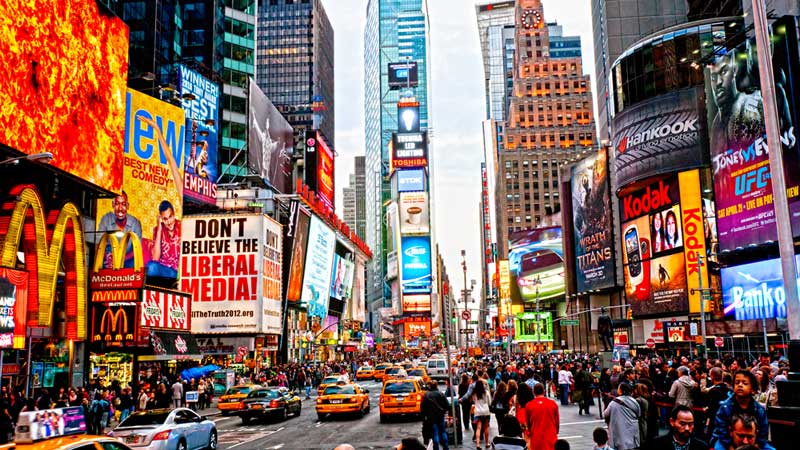
Image result for new york time square
Rather than encouraging behavioural changes, renewable energies ensure that our current consumerism ideals are catered to in a more environmentally friendly manner. On closer inspection, one may question whether this true.

Undoubtedly one of the biggest obstacles to a green future is our willingness to consume less, many believe that decreased consumption negatively affects quality of life. This needs to change if we are to achieve and sustain a good quality of life for 8.5 billion people but until such a time, green technologies have allowed us to remain on this path which we excuse because they have less health and environmental impacts than previous technology. But how sustainable are they? Lets consider the top traditional renewables; solar, wind and hydroelectric power. 

Saturday, 19 November 2016

Insouciant economics

When calling for climate action, it is fundamental that the economics work; money talks. In the past, economics have been a major conflict towards sustainable developments, so what has changed to allow for economically sound climate action?

The profitable investments in fossil fuels made the transition to green alternatives difficult as investors have favoured traditional fossil fuel usage due to high returns over the lower returns of sustainable alternatives. In addition, many global economies were and are supported by their fossil fuels exports and a move away from these commodities threatens to send these countries into recession. It is no secret that fossil fuel companies have in the past and continue to lobby politics against participating or promoting green movements, pretending to withdraw their funding to parties, and locking them in to dirty fuel based growth. In a nutshell, fossil fuel investments boasted high returns with little concern for a shift in consumption patterns as promoted by politics. The role of politics in sustainable development is a topic I will cover in the next few weeks, here I would like to focus on how a lack of supportive policy has lead to unfavourable economics and hence little to no sustainable development in the past. 

Image result for net profit margins top 40 mining companies
In 2012, the top 40 mining companies earned a profit of 13 cents per every US$ spent. However, since 2011, oil prices have dropped drastically as a result of over supply and investment uncertainty giving renewables a market opportunity to compete. 


Saturday, 5 November 2016

An end to intent

'Without action, the best intentions in the world are nothing more than that: intentions' - wise words from Jordan Belfort. This week there has been a surge in climate change publicity, through launches of the 1 Gigaton Coalition Report, The Emissions Gap Report, and Before the Flood to name a few, all of which have called for action. After 21 years of negotiations and research, time has run out and panic is duly starting to set in as we witness the first real consequences of climate change through social media platforms, but why has it taken so long to call for action? I believe it is a result of a combination of 3 main factors - public opinion, economics and politics. 


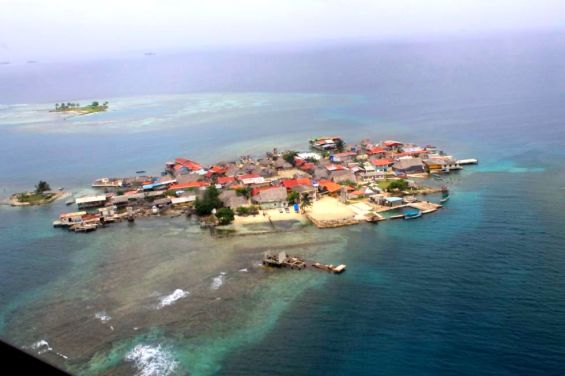
panama guna yala el pais
In 2015, Pacific Island nations appealed to wealthy countries to assist with climate associated migrations and employment as islanders leave amidst rising sea levels. Guna Yala pictured here, has started preparations for relocation due to sea level rise of 2cm/annum

Saturday, 22 October 2016

Consequences of choice

Perhaps the more current movement towards accepting climate change is in line with the old idiom 'fail to plan, and you plan to fail'. As previously mentioned, sustainability is a part of the larger context of climate change. The following video expresses the importance of choosing sustainability in preparing for climate change, whether or not one has chosen to believe in the latter. 


In order to prepare for the worst case scenario, that climate change is real, we need to take action; we need to positively influence the climate by changing our behaviour and technologies to a path that our future generations will not be plagued to walk along. My next blog will endeavour to explain what sustainability means for policy and development and what has stopped us from achieving it. If you would like to read more about this topic from a societal point of view, the Huffington Post summed it up rather well just last week! You can read their article here.


http://www.wildplanetfoods.com/thewild-way/sustainability/
A recent study has found that by 2040, there will not be enough fresh water on the planet to satisfy human thirst and continue with current energy and power programmes. Just for basic survival, we need to seriously reconsider our perceptions, behaviours and goals.